Embark on a unprecedented journey with set up android on raspberry pi, the place the acquainted panorama of your Android machine meets the compact energy of a Raspberry Pi. Think about remodeling your tiny pc into a flexible powerhouse, able to every thing from streaming films to working your favourite apps. This is not nearly repurposing; it is about unlocking a universe of prospects. We’ll traverse the historical past of this dynamic duo, witnessing its evolution from a distinct segment undertaking to a mainstream marvel, suitable with varied Raspberry Pi fashions, every a portal to a world of infinite exploration.
The search begins with understanding the important {hardware} elements, from the kind of SD card that acts as the center of your Android expertise to the ability provide that retains the entire system buzzing easily. We’ll assemble a toolkit of important equipment, making certain you are absolutely geared up for the journey. Subsequent, we’ll navigate the varied panorama of Android distributions, evaluating options and efficiency, similar to seasoned explorers selecting the right map.
Then, we’ll dive into the practicalities of downloading, verifying, and flashing the Android picture onto your SD card. The final word purpose is to see Android bloom in your Raspberry Pi, to see it boot up and be prepared to your command.
Introduction to Putting in Android on Raspberry Pi
Welcome, intrepid tech explorer! Right this moment, we embark on a journey into the realm of Android, however with a twist. We’re not speaking about your telephone or pill; we’re speaking about working the world’s hottest cell working system on a tiny, but highly effective, Raspberry Pi pc. This opens up a world of prospects, remodeling your little board into one thing actually extraordinary.
Get able to unleash the ability of Android on a tool you’ll be able to maintain in your hand!Android on a Raspberry Pi is an interesting mix of two highly effective applied sciences. It marries the user-friendly interface and huge utility library of Android with the pliability and affordability of the Raspberry Pi.
Advantages of Working Android on a Raspberry Pi: Versatility Unleashed
The fantastic thing about Android on a Raspberry Pi lies in its versatility. Think about repurposing your Raspberry Pi right into a devoted media middle, a retro gaming console, or perhaps a good house hub, all powered by the acquainted Android interface.
- Media Heart Mastery: Remodel your Raspberry Pi into a robust media participant. Set up apps like Kodi or Plex to stream films, TV exhibits, and music out of your native community or the web. Consider it as a pocket-sized leisure hub.
- Gaming Galore: Relive the glory days of gaming with emulators for traditional consoles. Take pleasure in titles from the NES, SNES, and much more superior methods, all in your Raspberry Pi linked to your TV.
- Good House Hub: Management your good house units with Android apps like Google House or different suitable purposes. Handle your lights, thermostats, and different linked units with ease.
- Customized Initiatives: Android on Raspberry Pi opens the door to numerous customized tasks. Construct a digital photograph body, a automobile infotainment system, or another undertaking you’ll be able to think about.
A Temporary Historical past of Android on Raspberry Pi and Its Evolution
The journey of Android on the Raspberry Pi has been a testomony to the ingenuity of the open-source group. It is a story of passionate builders working to beat {hardware} limitations and produce the Android expertise to a brand new platform.The preliminary makes an attempt to run Android on the Raspberry Pi have been, to place it mildly, a bit clunky. Early variations usually suffered from efficiency points and restricted performance.
Nevertheless, with every iteration, the group made vital strides, optimizing the working system for the Raspberry Pi’s structure.The evolution has seen a shift from generic Android builds to extra specialised variations tailor-made for the Raspberry Pi. This has led to improved efficiency, higher {hardware} assist, and a extra seamless consumer expertise. We have gone from experimental tasks to comparatively secure and usable distributions.
Raspberry Pi Fashions Supporting Android Set up, Set up android on raspberry pi
Not all Raspberry Pi fashions are created equal with regards to working Android. The processing energy, RAM, and different {hardware} specs play a vital position in figuring out the general efficiency and compatibility.Listed below are the Raspberry Pi fashions which can be usually supported for Android set up:
- Raspberry Pi 3 Mannequin B and B+: These fashions provide a good stability of efficiency and affordability, making them a preferred selection for working Android. Anticipate a comparatively easy expertise, particularly with optimized Android builds.
- Raspberry Pi 4 Mannequin B: That is the present flagship mannequin, boasting considerably improved processing energy and RAM in comparison with its predecessors. It offers a a lot smoother and extra responsive Android expertise, able to dealing with extra demanding purposes and duties.
- Raspberry Pi 400: Basically a Raspberry Pi 4 built-in right into a keyboard, the Pi 400 presents comparable efficiency traits and is a handy all-in-one answer for working Android.
It is vital to notice that whereas different fashions could technically have the ability to run Android, the expertise is perhaps severely restricted because of {hardware} constraints. At all times examine the particular necessities and compatibility info for the Android distribution you intend to put in in your chosen Raspberry Pi mannequin.
{Hardware} Necessities and Preparation
Getting Android up and working in your Raspberry Pi is a unbelievable undertaking, however it does require some cautious preparation. Consider it like baking a cake: you would not simply throw elements collectively haphazardly, proper? You want the suitable instruments and the suitable elements for a scrumptious final result. This part breaks down the important {hardware} and the prep work essential for a easy Android set up.
Mandatory {Hardware} Elements
Earlier than you start, let’s collect the mandatory elements. Choosing the proper {hardware} will considerably impression your Android expertise on the Raspberry Pi. This checklist is your recipe for fulfillment.
- Raspberry Pi Board: Clearly, you may want a Raspberry Pi board. Whereas varied fashions can run Android, the Raspberry Pi 3 Mannequin B, Raspberry Pi 3 Mannequin B+, and Raspberry Pi 4 (with various RAM configurations) are essentially the most generally advisable and supply the very best efficiency. Take into account the quantity of RAM. Extra RAM results in smoother multitasking and a extra responsive consumer interface.
- MicroSD Card: That is your storage medium. A high-quality microSD card is essential for efficiency and reliability.
- Specs: Purpose for a Class 10 or UHS-I (or greater) microSD card with not less than 16GB of storage. 32GB or 64GB playing cards are advisable for higher efficiency and house for apps and knowledge.
- Pace: The sooner the cardboard, the higher. Search for learn/write speeds that match or exceed the Raspberry Pi’s capabilities. A card with a quick write velocity is very vital, as Android incessantly writes knowledge to storage.
- Model: Persist with respected manufacturers like SanDisk, Samsung, or Lexar. These manufacturers usually provide higher high quality and reliability.
- Energy Provide: A dependable energy provide is non-negotiable. Undervoltage could cause crashes, knowledge corruption, and a usually irritating expertise.
- Specs: The ability provide ought to be particularly designed for the Raspberry Pi mannequin you might be utilizing. For the Raspberry Pi 4, a 5V, 3A energy provide is advisable. For older fashions, a 5V, 2.5A energy provide ought to suffice.
- Options: Search for an influence provide with a micro-USB (for older Pis) or USB-C (for Raspberry Pi 4) connector. Guarantee the ability provide can ship the rated present constantly.
- High quality: Spend money on a good-quality energy provide from a good producer. Low cost, unreliable energy provides can harm your Raspberry Pi.
- Show: You may want a monitor or show to see the Android interface. Any show with an HDMI or composite video enter (relying in your Raspberry Pi mannequin) will work.
- HDMI Cable: To attach your Raspberry Pi to your show, you may want an HDMI cable (or a composite video cable, relying in your show and Raspberry Pi mannequin).
- Enter Gadgets: You may want a keyboard and a mouse to work together with the Android interface. A USB keyboard and mouse are the best to make use of. Bluetooth keyboards and mice can even work, however you may must set them up after Android is working.
Really useful Energy Provide Necessities
The ability provide is the lifeline of your Raspberry Pi. A secure and ample energy provide is crucial for stopping crashes, knowledge corruption, and total instability.
- Voltage: The Raspberry Pi requires a 5V energy provide.
- Present: The present (measured in Amps or Amperes) is essential. Inadequate present can result in undervoltage conditions, inflicting the Raspberry Pi to underperform and even crash.
- Raspberry Pi 3 Mannequin B/B+: A 5V, 2.5A energy provide is mostly ample.
- Raspberry Pi 4: A 5V, 3A energy provide is strongly advisable. This mannequin attracts extra energy, particularly when utilizing USB peripherals.
- Connector: The connector sort will depend on your Raspberry Pi mannequin. Raspberry Pi 3 fashions use a micro-USB connector, whereas the Raspberry Pi 4 makes use of a USB-C connector.
- High quality: A high-quality energy provide is a worthwhile funding. It helps defend your Raspberry Pi from harm and ensures secure operation. Search for energy provides from respected manufacturers.
- Indicators: Some energy provides have LED indicators to point out when they’re offering energy.
- Undervoltage Warnings: The Raspberry Pi working system can detect undervoltage circumstances and show a warning icon (a lightning bolt) on the display. If you happen to see this icon, it is a clear indication that your energy provide is not offering sufficient energy.
Important Instruments and Equipment
Apart from the core {hardware}, you may want a number of instruments and equipment to finish the set up course of. These are the supporting solid members of your Android on Raspberry Pi manufacturing.
- Laptop with SD Card Reader: You may want a pc (Home windows, macOS, or Linux) with an SD card reader to flash the Android picture onto the microSD card. Many laptops have built-in SD card readers. In case your pc does not have one, you may want a USB SD card reader.
- SD Card Adapter: In case your microSD card does not suit your pc’s SD card reader, you may want a microSD to SD card adapter. These are normally included with microSD playing cards.
- Working System Picture (Android): You may must obtain the Android picture particularly designed to your Raspberry Pi mannequin. These photos are usually in a .img or .zip format.
- Flashing Software program: You may want software program to put in writing the Android picture to the microSD card. Fashionable choices embrace:
- BalenaEtcher: A user-friendly, cross-platform instrument.
- Rufus (Home windows): A preferred selection for Home windows customers.
- dd (Linux/macOS): A command-line utility.
- Case (Non-obligatory however Really useful): A case can defend your Raspberry Pi from bodily harm and enhance airflow.
- Warmth Sink (Non-obligatory however Really useful): Warmth sinks may help dissipate warmth, particularly should you plan to overclock your Raspberry Pi or run demanding purposes.
Selecting the Proper Android Distribution
Alright, you have obtained your Raspberry Pi all arrange, able to run Android, and also you’re most likely questioning which taste to decide on. It is like strolling into an ice cream store – so many scrumptious choices! However worry not, this part will enable you navigate the Android distribution panorama and decide the right one to your Pi, making certain you get essentially the most out of your mini-computer.
We’ll delve into the favored decisions, evaluating their strengths and weaknesses, so you can also make an knowledgeable determination and get began in your Android journey.
Fashionable Android Distributions
The Android world on Raspberry Pi is not a one-size-fits-all scenario. A number of distributions have emerged, every tailor-made to totally different wants and preferences. Let’s check out a number of the hottest choices, every providing a singular tackle the Android expertise.
- LineageOS: It is a standard customized ROM, recognized for its concentrate on offering a clear, bloatware-free Android expertise. LineageOS is constructed upon the Android Open Supply Undertaking (AOSP) and presents a excessive diploma of customization.
- Android TV: Designed particularly for tv screens, Android TV offers a streamlined interface optimized for distant management navigation. It’s supreme for turning your Raspberry Pi right into a media streaming machine.
- Different Customized Distributions: There are different tasks, usually smaller or extra specialised, which will concentrate on particular {hardware} or use instances. These can embrace distributions optimized for specific units or with pre-installed apps.
Options, Efficiency, and Compatibility Comparability
Selecting an Android distribution entails balancing options, efficiency, and compatibility. Every distribution has its strengths and weaknesses, and your best option will depend on your particular wants. The next desk offers a comparability of LineageOS and Android TV, highlighting key points:
| Characteristic | LineageOS | Android TV | Notes |
|---|---|---|---|
| Person Interface | Customary Android with customization choices. Provides a well-recognized expertise. | TV-optimized interface with massive icons and distant management navigation. | The interface is a vital side of your consumer expertise. |
| Efficiency | Typically good, usually optimized for efficiency. Could fluctuate relying on the machine and construct. | Efficiency is mostly good, optimized for media consumption and distant management. | Efficiency will depend on {hardware} and software program optimization. |
| Compatibility | Compatibility varies relying on the particular Raspberry Pi mannequin and the construct. | Compatibility is mostly good, optimized for media streaming and distant management. | Verify the compatibility checklist earlier than putting in. |
| App Assist | Full entry to the Google Play Retailer, with assist for many Android apps. | Optimized for apps designed for Android TV. Some apps could require sideloading. | Take into account your app wants when selecting. |
| Customization | Extremely customizable, with many choices to personalize the consumer expertise. | Restricted customization choices, designed for a streamlined expertise. | LineageOS permits for extra personalization choices. |
| Goal Viewers | Customers who need a clear Android expertise with customization choices. | Customers who need a easy interface and concentrate on media consumption. | Take into account your use case when selecting. |
Group Assist and Replace Frequency
Group assist and replace frequency are very important for any Android distribution. A powerful group ensures that you’ve entry to assist, fixes, and new options, whereas common updates preserve your system safe and up-to-date.
- LineageOS: LineageOS advantages from a big and lively group. This implies ample documentation, tutorials, and assist boards can be found. Updates are launched recurrently, though the frequency can fluctuate relying on the particular construct and maintainer.
- Android TV: The group assist for Android TV on Raspberry Pi can fluctuate. Updates are sometimes offered by the builders, however the frequency may not be as excessive as for LineageOS.
- Significance of Updates: Commonly up to date software program is crucial. Updates usually embrace safety patches, bug fixes, and efficiency enhancements.
Downloading and Getting ready the Android Picture
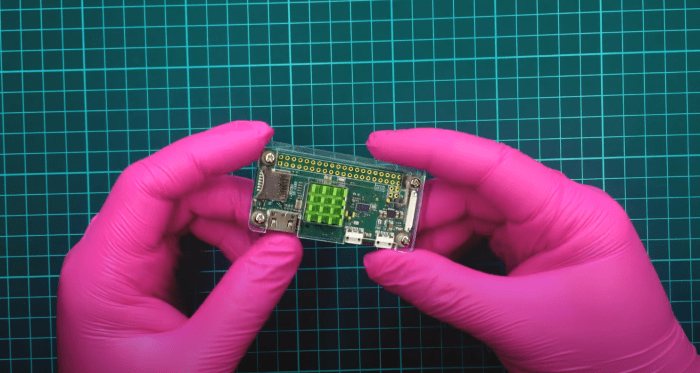
Alright, buckle up, buttercups! Now that you have your Raspberry Pi all prepped and able to roll, it is time to get right down to the nitty-gritty: downloading and prepping the Android picture. That is the place the rubber meets the street, the second your Pi begins to dream of changing into a pocket-sized Android powerhouse. Let’s be sure that we do that proper, lets?
Downloading the Android Picture from a Trusted Supply
Discovering the suitable Android picture is like discovering the right spice to your favourite dish. You would not simply seize any outdated powder off the shelf, would you? Nope! You’d wish to make sure it is the actual deal. The identical goes to your Android picture.To make sure a easy expertise, downloading the picture from a good supply is essential. Here is the drill:* Establish Respected Sources: Begin by researching and figuring out well-known, trusted sources for Android photos designed for Raspberry Pi.
This may embrace devoted Android-on-Pi communities, boards, or the official web sites of Android distributions like LineageOS or the builders behind Android-x86. These sources usually present pre-built photos particularly tailor-made for the Raspberry Pi {hardware}.
Navigate to the Obtain Part
As soon as you have discovered a trusted supply, navigate to their obtain part. This part normally lists accessible Android photos, usually with varied builds (e.g., nightly, secure) and particular variations.
Choose the Right Picture
Select the Android picture that matches your Raspberry Pi mannequin. Be completely certain to pick out the proper picture; in any other case, you may be observing a non-booting machine.
Provoke the Obtain
Click on on the obtain hyperlink to begin the obtain course of. Make sure that your web connection is secure, because the picture recordsdata will be fairly massive, probably a number of gigabytes.Consider it like this: you are selecting the elements for a gourmand meal. Would you purchase your groceries from a sketchy back-alley vendor, or from a well-respected, established market? Choosing the proper supply is your first step to a scrumptious Android expertise.
Verifying the Integrity of the Downloaded Picture Utilizing Checksums
Downloading a big file, like an Android picture, generally is a bit like sending a message in a sport of phone. Generally, issues get just a little garbled alongside the best way. That is the place checksums are available in. They’re like a digital fingerprint that helps you be sure that the file you downloaded is precisely the identical because the one the supply supposed.Earlier than you begin utilizing the picture, verifying its integrity is a should.
Right here’s how:* Understanding Checksums: A checksum is a singular string of characters generated from the contents of a file. Any slight change within the file’s content material will end in a totally totally different checksum. Widespread checksum algorithms embrace MD5, SHA-1, and SHA-256. The supply web site usually offers the checksum for the picture file.
Finding the Checksum
After you obtain the Android picture, discover the corresponding checksum worth offered by the supply. That is normally listed alongside the obtain hyperlink or on a separate web page.
Utilizing a Checksum Software
You may want a instrument to calculate the checksum of the downloaded picture file. There are numerous free and open-source instruments accessible for this objective, relying in your working system. For instance:
For Home windows
Use instruments like `CertUtil` (built-in) or third-party utilities resembling `HashMyFiles`.
For macOS
Use the `shasum` command within the Terminal (built-in).
For Linux
Use the `sha256sum`, `sha1sum`, or `md5sum` instructions within the Terminal (built-in).
Calculating the Checksum
Open your chosen checksum instrument and level it to the downloaded Android picture file. The instrument will then calculate the checksum.
Evaluating the Checksums
Evaluate the checksum calculated by the instrument with the checksum offered by the supply. If the 2 values match precisely, the integrity of the downloaded picture is verified. If they do not match, the picture is corrupted, and you may must obtain it once more.Consider checksums as the ultimate high quality management examine earlier than you serve your Android masterpiece. It is the peace of mind that what you are utilizing is precisely what you count on it to be.
Formatting the SD Card and Writing the Android Picture
Now for the grand finale: getting the Android picture onto your SD card. That is the place you remodel that little piece of plastic into the mind of your Android-powered Raspberry Pi. Let’s be sure that we do that proper!* Choosing an SD Card: Select a high-quality SD card with ample storage capability (not less than 16GB, however 32GB or extra is advisable) and a quick learn/write velocity (Class 10 or UHS-I).
A sooner card will result in a smoother Android expertise.
Backing Up Necessary Knowledge (If Relevant)
In case your SD card comprises any vital knowledge, again it up earlier than continuing, because the formatting course of will erase every thing.
Formatting the SD Card
Formatting the SD card prepares it for the Android picture. You may want a formatting instrument for this.
For Home windows
Use the official SD Card Formatter instrument (advisable) or a disk administration utility.
For macOS
Use the Disk Utility.
For Linux
Use the `gparted` instrument or command-line utilities like `fdisk` or `parted`. Format the SD card to the FAT32 file system (that is essentially the most suitable format for Raspberry Pi).
Writing the Android Picture to the SD Card
That is the method of transferring the downloaded Android picture to the formatted SD card. You may want a picture writing instrument.
For Home windows
Use a instrument like Rufus or Etcher.
For macOS
Use Etcher or the `dd` command within the Terminal (use with warning, as it will probably erase the unsuitable drive if used incorrectly).
For Linux
Use Etcher or the `dd` command within the Terminal (once more, use with warning).
Choose the downloaded Android picture and the SD card because the goal machine within the picture writing instrument.
Begin the writing course of. This may take a while, relying on the scale of the picture and the velocity of your SD card.
As soon as the writing course of is full, safely eject the SD card out of your pc.
Consider this course of like baking a cake. You’ve obtained your elements (the Android picture), your pan (the SD card), and your oven (the picture writing instrument). Following these steps ensures that your cake (Android in your Pi) comes out completely.
Flashing the Android Picture to the SD Card
Alright, you have chosen your Android distribution, downloaded it, and now it is time to get that picture onto your SD card. That is the place the magic occurs, remodeling your humble SD card into the bootable coronary heart of your Raspberry Pi Android expertise. It is a essential step, so let’s be sure that we do it proper.
Picture Writing Instruments
Earlier than you begin, you may want a particular instrument to put in writing the Android picture file onto your SD card. Consider these instruments because the digital artists, fastidiously etching the Android masterpiece onto your tiny canvas. The preferred and user-friendly choices are BalenaEtcher and Rufus. Each are free, open-source, and available for varied working methods.BalenaEtcher is understood for its simplicity and cross-platform compatibility.
It is designed with a clear interface that guides you thru the method step-by-step. Rufus, however, is a robust utility primarily for Home windows, providing extra superior choices and probably sooner writing speeds. Selecting between them usually comes down to private choice.
Step-by-Step Process for Flashing the Android Picture to the SD Card
Let’s stroll by means of the flashing course of utilizing BalenaEtcher for example. The steps are very comparable for Rufus, with slight variations within the interface.Here is how one can flash your Android picture utilizing BalenaEtcher:
- Obtain and Set up BalenaEtcher: If you have not already, obtain BalenaEtcher from its official web site. Set up it in your pc.
- Insert the SD Card: Insert your SD card into your pc’s SD card reader. Make sure that it is correctly acknowledged by your system.
- Choose the Picture: Open BalenaEtcher. Click on the “Flash from file” button and browse to the Android picture file (the .img or .zip file you downloaded earlier).
- Choose the Goal: BalenaEtcher ought to robotically detect your SD card. If it does not, or in case you have a number of drives linked, click on “Choose goal” and select the proper SD card. Be extraordinarily cautious to pick out the proper drive! Selecting the unsuitable one can result in knowledge loss.
- Flash the Picture: Click on the “Flash!” button. BalenaEtcher will now write the Android picture to your SD card. This course of can take a number of minutes, relying on the scale of the picture and the velocity of your SD card. BalenaEtcher will even confirm the write course of to make sure knowledge integrity.
- Eject the SD Card: As soon as the flashing course of is full, BalenaEtcher will notify you. Safely eject the SD card out of your pc.
Utilizing Rufus follows an analogous sample:
- Obtain and Set up Rufus: Obtain Rufus from its official web site and set up it in your Home windows pc.
- Insert the SD Card: Insert your SD card into your pc’s SD card reader.
- Choose the Gadget: Open Rufus. Within the “Gadget” dropdown menu, choose your SD card.
- Choose the Boot Choice: Click on the “SELECT” button and browse to the Android picture file (the .img or .zip file you downloaded earlier).
- Configure the Settings: Rufus usually robotically configures the settings, however double-check that the partition scheme is about to “GPT” for UEFI or “MBR” for BIOS (examine your Raspberry Pi’s documentation if not sure), and the file system is about to “FAT32”.
- Begin the Flashing Course of: Click on the “START” button. Rufus will warn you about knowledge loss; affirm and proceed. The flashing course of will start.
- Eject the SD Card: As soon as the flashing course of is full, safely eject the SD card out of your pc.
Troubleshooting Widespread Points
Generally, issues do not go as deliberate. Listed below are some frequent points and how one can resolve them:
- Flashing Fails: If the flashing course of fails, there may very well be a number of causes.
- Corrupted Picture: Redownload the Android picture and check out once more.
- SD Card Points: The SD card is perhaps defective. Attempt utilizing a distinct SD card. Take into account formatting the SD card earlier than flashing. You should use the SD Card Formatter instrument (accessible from the SD Affiliation) to make sure a clear format.
- Driver Issues: On Home windows, guarantee you’ve the newest drivers to your SD card reader.
- Inadequate Permissions: Run the picture writing instrument as an administrator.
- SD Card Not Acknowledged: Make sure that the SD card is correctly inserted and that your pc’s SD card reader is working accurately. Attempt a distinct SD card reader or a distinct pc.
- “Error: Invalid Argument” or Related Errors: This usually signifies an issue with the SD card itself. Attempt formatting the SD card earlier than flashing. If the error persists, the SD card is perhaps broken.
- Sluggish Flashing Pace: The velocity of the flashing course of will depend on the velocity of your SD card and the picture writing instrument. Make sure you’re utilizing a quick SD card (Class 10 or UHS-I advisable). Some SD playing cards, even when rated quick, can carry out poorly; contemplate testing the SD card’s write velocity utilizing a benchmarking instrument.
- Verification Failed: Because of this the picture writing instrument detected a problem with the information written to the SD card. Attempt flashing the picture once more. If the difficulty persists, the SD card is perhaps defective, or the picture file may very well be corrupted.
Bear in mind to at all times double-check that you have chosen the proper SD card earlier than flashing. Knowledge loss can happen should you unintentionally write to the unsuitable drive. Be affected person, and do not be discouraged by setbacks. The rewards of working Android in your Raspberry Pi are properly definitely worth the effort.
Booting Android on Raspberry Pi
Alright, you have prepped your SD card, crossed your Ts, and dotted your Is. The second of reality has arrived! Let’s get that Android goodness up and working in your Raspberry Pi. This part will information you thru the ultimate steps, from plugging it in to troubleshooting these inevitable hiccups.
Inserting the SD Card and Powering On
Now, for the thrilling half! With the Android picture meticulously flashed onto your SD card, it is time to convey your Raspberry Pi to life.First, fastidiously insert the SD card into the designated slot in your Raspberry Pi. This slot is usually situated on the aspect of the board, and you must really feel a slight click on as the cardboard is securely seated.
Double-check that it is absolutely inserted. Now, seize your energy provide – ideally, a devoted 5V energy adapter able to delivering not less than 2.5A. That is essential for secure operation; a weak energy provide can result in all kinds of issues. Plug the micro-USB connector (or USB-C, relying in your Pi mannequin) into the Raspberry Pi after which plug the opposite finish right into a wall outlet.As quickly as energy is provided, the Raspberry Pi ought to spring to life.
You may possible see a purple LED gentle up, indicating energy is linked, and a inexperienced LED that glints to point out exercise.
Preliminary Boot-Up Sequence
Here is what you’ll be able to anticipate throughout that first boot-up.The Raspberry Pi’s boot course of is just like that of a daily pc, however with a number of Android-specific twists.The Raspberry Pi will learn the boot recordsdata from the SD card. This preliminary stage entails loading the bootloader, which is chargeable for initializing the {hardware}. You may most likely see some textual content scrolling throughout your display.
This textual content shows details about the boot course of, together with the kernel loading and machine initialization. That is regular. Then, the Android emblem ought to seem. That is your cue that the Android system is starting to load. The boot course of may take a couple of minutes on the primary boot, because the system units up varied elements and configurations.
This preliminary setup will be in comparison with the primary time you boot up a brand new telephone or pill.Lastly, you must see the Android house display, prepared so that you can discover.
Widespread Boot-Up Issues and Options
Sadly, issues do not at all times go completely the primary time. Listed below are some frequent issues and their options.Generally, the boot course of hits a snag. Let us take a look at some troubleshooting ideas:
- No Show/Clean Display: This is among the commonest points.
- Resolution: Double-check your HDMI connection to your monitor or TV. Make sure that the show is powered on and set to the proper enter. Generally, the decision is not suitable together with your show. Attempt connecting the Raspberry Pi to a distinct monitor or TV.
If it really works, the difficulty is probably going a decision drawback. You may want to regulate the boot configuration recordsdata on the SD card to power a particular decision. That is executed by modifying the `config.txt` file on the boot partition of the SD card. For instance, including the road `hdmi_force_hotplug=1` may help.
- Resolution: Double-check your HDMI connection to your monitor or TV. Make sure that the show is powered on and set to the proper enter. Generally, the decision is not suitable together with your show. Attempt connecting the Raspberry Pi to a distinct monitor or TV.
- Boot Loop: The Raspberry Pi restarts repeatedly with out ever reaching the Android house display.
- Resolution: This usually signifies an issue with the Android picture or a {hardware} problem. Begin by re-flashing the Android picture onto the SD card. Make sure that the picture is accurately downloaded and verified. If the issue persists, attempt a distinct SD card.
A defective SD card could cause boot loops. A weak energy provide can even trigger this; attempt a extra highly effective adapter.
- Resolution: This usually signifies an issue with the Android picture or a {hardware} problem. Begin by re-flashing the Android picture onto the SD card. Make sure that the picture is accurately downloaded and verified. If the issue persists, attempt a distinct SD card.
- Caught on the Android Brand: The Android emblem seems, however the system by no means progresses.
- Resolution: This may be because of varied causes, resembling corrupted system recordsdata or incompatible {hardware} drivers. Give it a while; typically, the primary boot takes longer. If it stays caught, re-flash the picture. Make sure that the picture is suitable together with your Raspberry Pi mannequin.
Verify the boards or documentation for the Android distribution you are utilizing for recognized points.
- Resolution: This may be because of varied causes, resembling corrupted system recordsdata or incompatible {hardware} drivers. Give it a while; typically, the primary boot takes longer. If it stays caught, re-flash the picture. Make sure that the picture is suitable together with your Raspberry Pi mannequin.
- Wi-Fi/Bluetooth Not Working: After booting, you discover that Wi-Fi or Bluetooth is not working.
- Resolution: This may very well be a driver problem or a configuration drawback. Be sure that the Wi-Fi and Bluetooth {hardware} are suitable with the Android distribution you are utilizing. Verify the Android settings to make sure Wi-Fi and Bluetooth are enabled. You may must replace the drivers or configure the community settings manually.
Bear in mind to seek the advice of the documentation for the particular Android distribution you might be utilizing. The group boards are additionally invaluable assets for troubleshooting and discovering options. You’ll find solutions to your questions there. With just a little endurance and persistence, you may have Android working easily in your Raspberry Pi.
Preliminary Setup and Configuration: Set up Android On Raspberry Pi
Alright, you have efficiently flashed the Android picture onto your Raspberry Pi – unbelievable! Now comes the enjoyable half: getting every thing arrange and making it your personal. This preliminary configuration is the place you actually breathe life into your tiny Android powerhouse. Consider it because the second your Raspberry Pi awakens, able to study your language, hook up with your world, and grow to be your private tech companion.
Language Choice and Wi-Fi Configuration
The very first thing you may encounter after booting up is the welcome display. That is the place the journey actually begins, and it is all about making Android communicate your language and hook up with the digital world.Here is a breakdown of the preliminary steps:* Language Choice: The system will immediate you to decide on your most well-liked language. Scroll by means of the checklist and choose the language you perceive greatest.
It will set the system’s default language for all menus, settings, and apps.
Wi-Fi Configuration
Subsequent, you may want to connect with your Wi-Fi community. The system will scan for accessible networks and show a listing. Choose your community from the checklist. In case your community is password-protected, you may be prompted to enter the password. Make sure to enter it accurately, as a easy typo can forestall the connection.
As soon as linked, your Raspberry Pi could have entry to the web.
Google Account Setup and Important Configurations
Now that you’re linked to the web, it’s time to arrange your Google account and configure important settings. It will unlock the total potential of Android in your Raspberry Pi, supplying you with entry to the Google Play Retailer, your apps, and all of your Google companies.Right here’s a information to establishing your Google account and different key configurations:* Google Account Login: You may be prompted to sign up together with your Google account.
If you have already got one, enter your e-mail handle and password. If you do not have a Google account, you’ll be able to create one. Observe the on-screen directions to arrange your account, together with verifying your telephone quantity or e-mail handle.
Phrases of Service and Privateness Coverage
After signing in, you may be offered with Google’s Phrases of Service and Privateness Coverage. Evaluate these fastidiously. You may must comply with proceed.
Backup and Restore
You may be requested if you wish to again up your knowledge to Google Drive. It is a good thought because it helps you get better your settings and knowledge if one thing goes unsuitable. Select your most well-liked backup settings.
Fee Data (Non-obligatory)
You might be requested so as to add cost info. That is essential should you plan to buy apps or make in-app purchases. You may skip this step should you want.
Date and Time
The system will try to set the date and time robotically primarily based in your location. You may manually regulate these settings if essential.
Bluetooth and Peripheral Gadget Integration
Bluetooth and different peripherals enormously broaden the capabilities of your Raspberry Pi working Android, turning it into a flexible leisure hub or a robust productiveness instrument.Right here is how one can arrange and use Bluetooth and different peripherals:* Bluetooth Enablement:
Navigate to the settings menu.
Discover the Bluetooth possibility.
Toggle the Bluetooth swap to “On.”
The system will start trying to find accessible Bluetooth units.
Pairing Bluetooth Gadgets
Make sure that your Bluetooth machine (e.g., headphones, speaker, keyboard) is in pairing mode. This normally entails urgent a button on the machine.
Your Raspberry Pi will show a listing of accessible units.
Choose your machine from the checklist to pair it.
You might be prompted to enter a pairing code (usually 0000 or 1234) if required by your machine.
Connecting Peripherals
For peripherals like keyboards and mice, merely plug them into the USB ports of your Raspberry Pi. The system ought to robotically acknowledge them.
You might want to regulate the settings to customise the keyboard format or mouse habits.
For exterior storage units like USB drives, merely plug them into the USB ports. You may then entry the recordsdata by means of a file supervisor app. –
Troubleshooting
If a tool is not acknowledged, attempt restarting your Raspberry Pi.
Make sure the machine is charged or has recent batteries.
Verify the machine’s compatibility with Android. Not all units are assured to work.
Verify for driver points and attainable updates.
Customization and Optimization
So, you have obtained Android working in your Raspberry Pi – unbelievable! However let’s be sincere, the out-of-the-box expertise generally is a little… fundamental. Don’t be concerned, although; the great thing about Android, and certainly the Raspberry Pi, lies in its unbelievable flexibility. We’re about to dive into making your Android Pi setup trulyyours*, from the feel and appear to how easily it runs.
Put together to remodel your tiny pc right into a pocket-sized powerhouse!
Customizing the Android Interface
Android presents a wealth of customization choices, permitting you to tailor the interface to your particular preferences. This goes far past simply altering the wallpaper; you’ll be able to essentially alter the best way you work together together with your machine.Here is a breakdown of some key areas for personalisation:
- Launchers: Launchers are the center of your Android expertise, offering the house display, app drawer, and total format. The default launcher is commonly practical, however it may be limiting. Putting in a customized launcher unlocks a universe of prospects. Consider it as giving your Pi an entire makeover.
- Themes: Themes can change the visible fashion of your complete system, together with icons, fonts, and even system-wide animations. They’re a fast option to utterly refresh the look of your Android set up.
- Widgets: Widgets are small, self-contained purposes that sit on your private home display, offering at-a-glance info or fast entry to options. They’re an effective way to personalize your private home display with the data that’s most vital to you.
- Icon Packs: Bored with the identical outdated icons? Icon packs allow you to exchange the default icons with customized designs, providing a recent visible expertise. They’re like giving your apps a brand new wardrobe.
- System-Extensive Customization: Rooting your Android set up (which generally is a complicated course of) unlocks much more superior customization choices, resembling altering the boot animation or modifying the system UI. Nevertheless, this isn’t at all times essential for a fantastic consumer expertise.
Efficiency Optimization Methods
Working Android on a Raspberry Pi generally is a bit like attempting to suit an enormous right into a tiny home – it may be executed, however it may not be essentially the most spacious expertise. That is the place optimization is available in. Superb-tuning your setup can considerably enhance efficiency, making every thing really feel snappier and extra responsive.Listed below are some methods to spice up efficiency:
- Overclocking: This entails growing the clock velocity of your Raspberry Pi’s processor and GPU, successfully making it run sooner. Consider it as giving your Pi a shot of espresso.
- SD Card Pace: The velocity of your SD card straight impacts the efficiency of your Android set up. Utilizing a quick, high-quality SD card is essential for easy operation. Take into account it the inspiration of your system.
- Disable Animations: Whereas animations look good, they will eat useful processing energy. Disabling or decreasing animation scales in developer choices can unencumber assets.
- App Optimization: Select light-weight apps each time attainable. Keep away from apps with pointless options or background processes that drain assets.
- Background Course of Administration: Restrict the variety of apps working within the background. Shut pointless apps to unencumber RAM and CPU cycles.
Overclocking is a robust instrument, however it’s vital to know the dangers. Overclocking can generate extra warmth, probably resulting in instability and even harm to your Raspberry Pi if not executed fastidiously. At all times monitor temperatures and guarantee ample cooling, resembling a warmth sink or fan. Here is a fundamental formulation for understanding the connection:
Efficiency Enhance = (New Clock Pace – Authentic Clock Pace) / Authentic Clock Pace – 100
Putting in and Configuring Customized Launchers and Themes
Let’s get sensible. Customized launchers and themes are your gateways to a personalised Android expertise. Here is how one can get them up and working:
- Selecting a Launcher: There are numerous launchers accessible on the Google Play Retailer (in case you have Google Play Companies put in) or by means of APK recordsdata. Fashionable decisions embrace Nova Launcher, Lawnchair, and Motion Launcher. Take into account options, customization choices, and useful resource utilization when making your choice.
- Putting in a Launcher: Obtain and set up the APK file for the launcher you have chosen. Observe the on-screen directions.
- Setting the Default Launcher: After set up, the system will normally immediate you to pick out your default launcher. If not, go to the settings menu (usually underneath “Apps” or “House app”) and select your new launcher.
- Customizing the Launcher: As soon as your new launcher is lively, discover its settings. Customise the house display format, app drawer, icons, and gestures to your liking.
- Discovering and Putting in Themes: Themes are sometimes accessible by means of the Google Play Retailer or particular theme apps. Seek for themes suitable together with your launcher.
- Making use of a Theme: In your launcher’s settings, search for a “Theme” or “Look” part. Choose the theme you wish to apply.
- Icon Packs: Icon packs are usually put in and utilized by means of the launcher’s settings. Search for an “Icon Pack” or “Look” part.
- Experimentation: Do not be afraid to attempt totally different launchers and themes to seek out the right mixture to your wants.
Bear in mind, the purpose is to create an Android expertise that’s gratifying and tailor-made to your particular person preferences. By experimenting with these customization and optimization methods, you’ll be able to remodel your Raspberry Pi into a robust and customized machine.
Putting in and Utilizing Functions
Now that you have Android buzzing alongside in your Raspberry Pi, the actual enjoyable begins: populating it with apps! That is the place your Pi transforms from a bare-bones system into a flexible leisure middle, productiveness instrument, or no matter else your coronary heart wishes. Let’s dive into the nitty-gritty of getting apps put in and working easily.
Putting in Functions from the Google Play Retailer or APK Information
The first technique for getting apps in your Android-powered Raspberry Pi is, in fact, the Google Play Retailer. Consider it because the digital sweet retailer to your machine. Alternatively, you’ll be able to set up purposes from APK recordsdata, that are primarily the set up packages for Android apps.
- Utilizing the Google Play Retailer: In case your chosen Android distribution consists of the Google Play Retailer (not all do), that is the only route. Simply open the Play Retailer app, sign up together with your Google account, and browse or seek for the apps you need. Click on “Set up,” and the system handles the obtain and set up.
- Putting in from APK Information: Generally, you may want to put in an app not accessible on the Play Retailer, or maybe you’ve an older model you favor. You may must allow “Set up from unknown sources” in your Android settings (normally underneath Safety or Apps). Then, you may must get the APK file onto your Raspberry Pi. This may be executed through a USB drive, a community share, or by downloading it straight from an online browser inside Android.
As soon as the APK is in your Pi, use a file supervisor app to find it and faucet the file. The system will immediate you to put in it.
Strategies for Optimizing App Efficiency and Compatibility
Working Android apps on a Raspberry Pi can typically be a little bit of a balancing act. The Pi, whereas highly effective for its dimension, is not a top-of-the-line smartphone. Listed below are some methods to make sure a smoother expertise.
- Select Light-weight Apps: Go for apps designed for lower-end units. These usually eat fewer assets. As an example, think about using “Fb Lite” as an alternative of the total Fb app.
- Disable Pointless Options: Inside the app’s settings, disable options you do not use. This may unencumber processing energy and reminiscence.
- Shut Background Apps: Android, like every working system, can decelerate if too many apps are working within the background. Commonly shut apps you are not actively utilizing.
- Use a Efficiency-Enhancing Launcher: Some launchers are optimized for efficiency and useful resource administration. Discover choices like “Nova Launcher” or “Lawnchair” to see in the event that they enhance responsiveness.
- Overclocking (Use with Warning): Overclocking your Raspberry Pi’s processor can present a efficiency enhance, however it will probably additionally generate extra warmth and probably cut back the lifespan of the machine. Analysis the protected overclocking limits to your particular Raspberry Pi mannequin and think about using a heatsink and fan for higher cooling.
- Replace Commonly: Preserve your Android distribution and apps up to date. Updates usually embrace efficiency enhancements and bug fixes.
Managing Storage House and Resolving Utility-Associated Points
Cupboard space is a treasured commodity on any machine, and your Raspberry Pi isn’t any exception. Here is how one can handle it successfully and troubleshoot frequent app-related issues.
- Monitor Storage Utilization: Commonly examine your storage utilization in Android’s settings. Establish apps which can be consuming essentially the most house.
- Clear Cache: Apps usually retailer cached knowledge to enhance efficiency, however this could shortly eat up storage. Clear the cache for apps you utilize incessantly.
- Uninstall Unused Apps: Do away with apps you now not want. It is a easy option to unencumber house.
- Use an SD Card (If Supported): In case your Android distribution helps it, use an SD card to retailer massive recordsdata like movies, music, and pictures. This may unencumber house in your inner storage.
- Troubleshooting Widespread Points:
- App Crashing: Attempt clearing the app’s cache and knowledge. If that does not work, uninstall and reinstall the app.
- App Not Putting in: Be sure to have sufficient cupboard space and that the app is suitable together with your Android model. Verify the APK file for errors.
- App Not Working Easily: Shut different apps, clear the cache, and think about using a lighter model of the app.
Troubleshooting Widespread Points
So, you have taken the plunge and put in Android in your Raspberry Pi! Congratulations! However, as with all tech journey, you may run into a number of bumps alongside the street. Don’t be concerned, that is utterly regular. This part is your troubleshooting toolkit, designed that will help you conquer these pesky issues and get again to having fun with your Android expertise. We’ll cowl every thing from Wi-Fi woes to sluggish efficiency, so you’ll be able to remodel your Raspberry Pi into the Android powerhouse you envisioned.
Wi-Fi Connectivity Issues
Connecting to Wi-Fi is crucial for many Android experiences. Generally, issues do not go as deliberate. Here is how one can deal with these Wi-Fi connection points:
First, double-check the fundamentals. Guarantee your Wi-Fi community is broadcasting and that you simply’re getting into the proper password. It sounds easy, however it’s usually the perpetrator.
- Confirm Community Availability: Make sure that your Raspberry Pi can “see” your Wi-Fi community. Verify the checklist of accessible networks throughout the Android settings. In case your community is not listed, attempt shifting the Raspberry Pi nearer to your router. Generally, a weak sign is the difficulty.
- Password Verification: That is the most typical pitfall. Rigorously re-enter your Wi-Fi password. Case sensitivity issues! Take into account briefly disabling password safety in your router (for testing functions solely) to see if that resolves the difficulty. If it does, you already know the password was the issue. Bear in mind to re-enable the password afterward.
- Driver Points: Android on Raspberry Pi depends on drivers for the Wi-Fi adapter. Generally, the default drivers do not work flawlessly. You may must experiment with totally different drivers or replace them. The method for updating drivers varies relying on the Android distribution you are utilizing. Seek the advice of the documentation to your particular Android construct.
- IP Tackle Conflicts: Guarantee your Raspberry Pi is not assigned an IP handle that conflicts with one other machine in your community. Verify your router’s DHCP settings to see the assigned IP vary. Manually assigning a static IP handle to your Raspberry Pi may resolve the battle.
- Router Compatibility: Older routers or these utilizing uncommon safety protocols may not be absolutely suitable with the Android construct. Attempt updating your router’s firmware or altering its safety settings (e.g., to WPA2) to see if that helps.
Bluetooth Issues
Bluetooth connectivity permits you to join a big selection of units to your Raspberry Pi, resembling keyboards, mice, and headphones. Right here’s how one can repair frequent Bluetooth points:
Bluetooth, when it really works, is a pleasure. However typically, it may be a supply of frustration. The next steps ought to get you again on monitor.
- Bluetooth Activation: Make sure that Bluetooth is enabled in your Android settings. It is simple to miss!
- Pairing Mode: Make sure the Bluetooth machine you are attempting to attach is in pairing mode. This usually entails urgent a button on the machine. Confer with your machine’s guide for particular directions.
- Gadget Visibility: Make sure that your Raspberry Pi is discoverable by different Bluetooth units. This setting is normally discovered within the Bluetooth settings menu.
- Distance and Obstructions: Bluetooth has a restricted vary. Preserve the units near your Raspberry Pi and reduce any obstructions, resembling partitions, that would intrude with the sign.
- Driver Compatibility: Like Wi-Fi, Bluetooth depends on drivers. If you happen to’re having hassle connecting a particular machine, it may very well be a driver problem. Verify the documentation to your Android distribution for potential options or driver updates.
- Energy Cycle: A easy reboot of each your Raspberry Pi and the Bluetooth machine can usually resolve pairing issues.
Efficiency Lags
Android on a Raspberry Pi, whereas spectacular, can typically really feel sluggish, particularly on older Pi fashions or with demanding purposes. Let us take a look at methods to enhance efficiency.
A gradual Android expertise will be irritating. Here is how one can diagnose and probably repair these efficiency points:
- Useful resource Monitoring: Use a system monitoring app (accessible on the Google Play Retailer) to examine CPU utilization, RAM utilization, and storage I/O. This may help you determine bottlenecks.
- Utility Administration: Shut pointless purposes working within the background. Android, like every working system, can decelerate when a number of purposes are competing for assets.
- Storage Optimization: Guarantee you’ve sufficient free cupboard space in your SD card. A full SD card can considerably impression efficiency. Delete pointless recordsdata or think about using a bigger SD card.
- Overclocking (Use with Warning): Overclocking the Raspberry Pi’s CPU and GPU can enhance efficiency. Nevertheless, this could additionally generate extra warmth and probably harm your {hardware} if not executed fastidiously. Seek the advice of on-line assets for protected overclocking practices particular to your Raspberry Pi mannequin.
- Android Distribution Optimization: Some Android distributions are extra optimized for Raspberry Pi than others. Experiment with totally different distributions to seek out one which performs higher in your {hardware}.
- SD Card Pace: The velocity of your SD card considerably impacts efficiency. Use a high-speed (Class 10 or UHS-I) SD card for the very best outcomes.
Troubleshooting Touchscreen and Peripheral Points
Connecting exterior units, resembling a touchscreen, keyboard, or mouse, can enormously improve your Android expertise. However, typically, they do not work as anticipated.
Let’s handle points associated to peripherals:
- Touchscreen Calibration: Touchscreens could require calibration to precisely map contact inputs to the display. Calibration instruments are sometimes accessible throughout the Android settings or by means of a devoted app. Observe the on-screen directions to calibrate your touchscreen.
- Driver Set up: Peripherals depend on drivers. Guarantee the mandatory drivers to your touchscreen or different units are put in and suitable together with your Android construct. Seek the advice of the documentation to your particular Android distribution.
- USB Compatibility: Some USB units may not be absolutely suitable with the Raspberry Pi’s USB ports. Attempt utilizing a powered USB hub to offer extra energy to your units.
- Keyboard/Mouse Configuration: Guarantee your keyboard and mouse are accurately configured within the Android settings. Verify the enter settings and regulate them as wanted.
- Peripheral Energy: Make sure that your peripherals are receiving ample energy. Inadequate energy can result in erratic habits.
Widespread Error Messages and Options
Error messages will be cryptic, however they usually present useful clues. Right here’s a listing of frequent error messages and their corresponding options.
Deciphering error messages can appear daunting, however these messages are sometimes your greatest pal when troubleshooting. Here is a breakdown of frequent error messages and their options:
| Error Message | Attainable Trigger | Resolution |
|---|---|---|
| “No Wi-Fi networks discovered” | Wi-Fi adapter not enabled, incorrect drivers, or community out of vary. | Allow Wi-Fi, set up/replace drivers, transfer nearer to the router. |
| “Bluetooth pairing failed” | Incorrect PIN, machine not in pairing mode, or Bluetooth drivers not put in. | Confirm PIN, put machine in pairing mode, reinstall Bluetooth drivers. |
| “Inadequate cupboard space” | SD card is full. | Delete pointless recordsdata, or use a bigger SD card. |
| “Utility not put in” | Incompatible utility, inadequate storage, or corrupted set up file. | Verify utility compatibility, unencumber storage, redownload the app. |
| “Sadly, [Application Name] has stopped” | Utility crash or bug. | Clear the app’s cache and knowledge, reinstall the app, or attempt another app. |
| “Kernel Panic” | Essential system error, usually hardware-related or because of driver points. | Reinstall the Android picture, guarantee correct {hardware} connections, and examine for driver compatibility points. |
Superior Matters and Ideas

Alright, you have conquered the fundamentals, and now you are able to degree up your Android-on-Raspberry Pi sport. This part dives into the nitty-gritty, providing some superior methods and undertaking concepts to essentially push the boundaries of what is attainable. Prepare to remodel your Raspberry Pi into one thing actually spectacular!
Twin-Booting Android with One other Working System
The power to have a number of working methods in your Raspberry Pi opens up a world of prospects. Think about booting into Android for gaming and media consumption, then switching to Raspberry Pi OS (previously Raspbian) for coding or different duties. Organising dual-boot is like having two superpowers in a single tiny bundle!To get began with dual-booting, you may want to decide on a bootloader that helps this performance.
One standard possibility is NOOBS (New Out Of Field Software program), which is designed for simple OS set up and choice. Nevertheless, NOOBS may not at all times assist all Android distributions. An alternative choice is rEFInd, a extra superior boot supervisor that is recognized for its flexibility.Here is a simplified overview of the method:* Partitioning your SD card: You may must create separate partitions for every working system.
Be sure to go away sufficient house for each Android and your different OS.
Putting in the bootloader
Set up your chosen bootloader onto the SD card.
Putting in Android and the opposite OS
Set up every working system onto its respective partition.
Configuring the bootloader
Configure the bootloader to detect and will let you choose which OS besides.Bear in mind, the particular steps can fluctuate relying on the bootloader and the Android distribution you select. At all times check with the documentation to your chosen bootloader and Android picture for detailed directions. This setup permits you to leverage the strengths of each Android and different working methods, creating a flexible and highly effective machine.
Utilizing Android on Raspberry Pi for Particular Initiatives
Android on Raspberry Pi is not only a enjoyable experiment; it is a gateway to some actually superior tasks. Let’s discover a few thrilling prospects:* Media Heart: Image this: your Raspberry Pi, working Android, turns into the last word media hub. You may set up apps like Kodi, Plex, or VLC to stream films, TV exhibits, and music out of your native community or the web.
You may join it to your TV and use a distant management or a linked keyboard and mouse for simple navigation. The interface is clear and user-friendly, and the chances are infinite.
Gaming Console
Retro gaming fanatics, rejoice! Android on Raspberry Pi will be reworked right into a retro gaming powerhouse. Set up emulators like RetroArch and obtain ROMs to your favourite basic video games. Join a gamepad, and also you’re able to relive your childhood reminiscences. The Raspberry Pi’s processing energy, mixed with Android’s app compatibility, makes for a surprisingly easy and gratifying gaming expertise.These are simply a few concepts to get your inventive juices flowing.
The fantastic thing about Android on Raspberry Pi is its versatility. You may adapt it to suit your particular wants and create a really distinctive machine.
Sharing Assets for Additional Studying and Group Assist
The journey does not finish right here! To proceed your exploration of Android on Raspberry Pi, listed here are some invaluable assets:* Official Raspberry Pi Boards: The Raspberry Pi Basis’s official boards are a goldmine of knowledge. You may discover discussions, troubleshooting ideas, and useful recommendation from skilled customers.
Android-on-Raspberry Pi Communities
On-line communities devoted to Android on Raspberry Pi, resembling these on Reddit (e.g., r/androidpi) and varied different boards, provide assist and steerage.
Developer Web sites and Documentation
Verify the web sites and documentation of the particular Android distributions you might be utilizing (e.g., LineageOS, Bliss OS). They usually present detailed directions, FAQs, and troubleshooting guides.
YouTube Tutorials
Quite a few YouTube channels provide video tutorials on putting in, configuring, and troubleshooting Android on Raspberry Pi. Seek for particular subjects to seek out related content material.Bear in mind, the group is your pal! Do not be afraid to ask questions, share your experiences, and study from others. The world of Android on Raspberry Pi is continually evolving, and there is at all times one thing new to find. Embrace the educational course of, and benefit from the journey!
